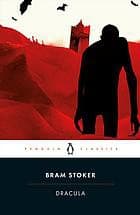
Is Dracula Worth Reading?
by Bram Stoker
Ada’s Score
Stoker builds his horror slowly, through letters, diary entries, and ship logs — a mosaic of voices that makes the terror feel achingly real. Dracula is less about a monster than about modernity confronting the ancient and irrational, and that tension gives the novel genuine weight. The epistolary structure is both its great strength and occasional weakness: intimacy and dread accumulate beautifully, but momentum occasionally stalls in the middle passages. Mina Harker is the quiet intellectual centre — sharper and more compelling than the novel sometimes acknowledges. This rewards patient, atmospheric reading.
Spotlight“The Transylvania chapters alone justify everything. Stoker created a myth, but he also wrote a surprisingly human story about what terror does to a group of friends.”
Letters From the Edge of Belief
One hundred and twenty-five years on, Dracula still has the power to make your skin prickle — and a lot of that is down to the format. Stoker's choice to tell the story entirely through journals, letters, and telegrams creates this mounting, fragmented dread, the sense that you're reading documents that were never meant to be assembled together. There's something about watching ordinary Victorians try to find rational language for something that dissolves all their categories that feels, quietly, very modern.
Ada Brief
AI reading intelligence“The Transylvania chapters alone justify everything. Stoker created a myth, but he also wrote a surprisingly human story about what terror does to a group of friends.”
Letters From the Edge of Belief
One hundred and twenty-five years on, Dracula still has the power to make your skin prickle — and a lot of that is down to the format. Stoker's choice to tell the story entirely through journals, letters, and telegrams creates this mounting, fragmented dread, the sense that you're reading documents that were never meant to be assembled together. There's something about watching ordinary Victorians try to find rational language for something that dissolves all their categories that feels, quietly, very modern.
Dracula Review
The Transylvania chapters alone justify everything. Stoker created a myth, but he also wrote a surprisingly human story about what terror does to a group of friends.
Rating: 4.0 / 5
Book Details
- Publisher
- Penguin Books
- Published
- January 1, 2003
- Pages
- 466
- Language
- ENG
- ISBN-13
- 9780141439846
Get This Book
Affiliate linksISBN: 9780141439846
Disclosure: ReadAda earns a commission on purchases made through these links, at no extra cost to you.
Ada’s Score
4
Ada’s editorial score — not an aggregate of reader reviews.
Common Questions About Dracula
- Is Dracula worth reading?
- The Transylvania chapters alone justify everything. Stoker created a myth, but he also wrote a surprisingly human story about what terror does to a group of friends. Ada rates it 4.0 out of 5.
- How many pages is Dracula?
- Dracula is 466 pages long — around 8–9 hours at an average reading pace.