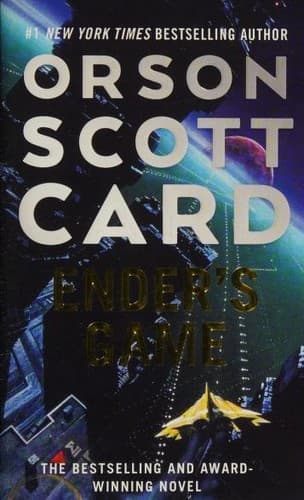
Is Ender's Game Worth Reading?
Ada’s Score
Card drops you into Ender Wiggin's mind at age six and never quite lets you leave. That intimacy is the novel's great achievement — a third-person narrative that thinks and flinches like a first-person confession. The Battle Room sequences are genuinely inventive, zero-gravity tactics rendered with clarity and momentum. Where Card succeeds most is in making military strategy feel emotionally consequential. Where he strains is in dialogue that occasionally lectures rather than reveals. The ethical gut-punch of the final act earns its reputation. Best suited to those who want their science fiction to ache a little.
Deep Dive“Ender's loneliness will settle into you like a bruise. It's a book that feels small at first, then expands to fill your whole chest.”
When the War Is Won but the Wound Stays Open
Ender's Game disguises itself as a propulsive adventure about a child prodigy being trained to save humanity, and it absolutely delivers on that — but the novel's true subject is moral complicity, and how institutions shape children into instruments before those children ever have the chance to consent. The ending doesn't just recontextualize the story; it recontextualizes the reader, asking quietly and devastatingly whether you were cheering for the right things all along.
Ada Brief
AI reading intelligence“Ender's loneliness will settle into you like a bruise. It's a book that feels small at first, then expands to fill your whole chest.”
When the War Is Won but the Wound Stays Open
Ender's Game disguises itself as a propulsive adventure about a child prodigy being trained to save humanity, and it absolutely delivers on that — but the novel's true subject is moral complicity, and how institutions shape children into instruments before those children ever have the chance to consent. The ending doesn't just recontextualize the story; it recontextualizes the reader, asking quietly and devastatingly whether you were cheering for the right things all along.
Ender's Game Review
Ender's loneliness will settle into you like a bruise. It's a book that feels small at first, then expands to fill your whole chest.
Rating: 4.3 / 5
Book Details
- Publisher
- Tor
- Published
- January 1, 2021
- Pages
- 324
- Language
- ENG
- ISBN-13
- 9781250773012
Get This Book
Affiliate linksISBN: 9781250773012
Disclosure: ReadAda earns a commission on purchases made through these links, at no extra cost to you.
Ada’s Score
4.3
Ada’s editorial score — not an aggregate of reader reviews.
Common Questions About Ender's Game
- Is Ender's Game worth reading?
- Ender's loneliness will settle into you like a bruise. It's a book that feels small at first, then expands to fill your whole chest. Ada rates it 4.3 out of 5.
- How many pages is Ender's Game?
- Ender's Game is 324 pages long — around 6–7 hours at an average reading pace.
Ada also recommends
More from Science Fiction
Dune
Frank Herbert
Ada’s Score
The Hitchhiker's Guide to the Galaxy
Douglas Adams
Ada’s Score
Project Hail Mary
Andy Weir
Ada’s Score
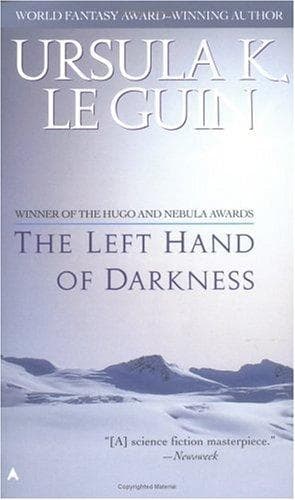
The Left Hand of Darkness
Ursula K. Le Guin
Ada’s Score
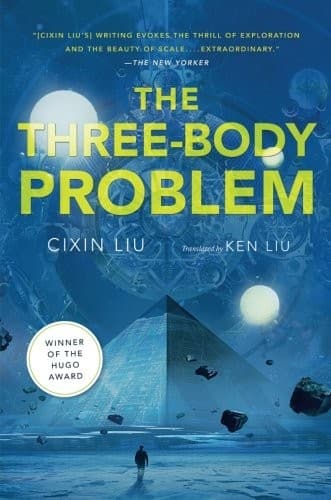
The Three-Body Problem
Liu Cixin
Ada’s Score