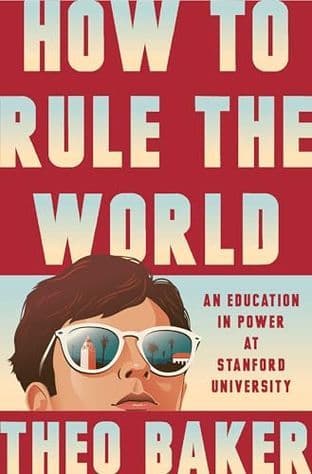
Is How to Rule the World Worth Reading?
by Theo Baker
Ada’s Score
In a remarkable work of narrative nonfiction, Stanford University student Theo Baker chronicles his dogged investigative journalism that ultimately contributed to the resignation of Stanford's president, Marc Tessier-Lavigne, over concerns about research misconduct. Baker's account is part detective story, part coming-of-age chronicle, tracing the painstaking process by which a student reporter held one of academia's most powerful figures accountable. The book raises profound questions about institutional integrity, the courage required to challenge authority, and the enduring importance of a free press. Thrilling and thought-provoking, it is a testament to what one determined individual can accomplish.
Nonfiction Pick“Extraordinary — a college student holding power accountable through sheer tenacity. This story will fire you up and give you hope.”
A Student Journalist Took On a University President — and Won
How to Rule the World is a true David vs. Goliath story set inside one of the most powerful universities in the country, and Theo Baker tells it with all the propulsive energy of a thriller. A Stanford student journalist refuses to look away from institutional power, and what follows is a lesson in what courage and a press badge can actually accomplish. This one reminded me why accountability journalism still matters — and why it takes young people with nothing to lose to do it.
Ada Brief
AI reading intelligence“Extraordinary — a college student holding power accountable through sheer tenacity. This story will fire you up and give you hope.”
A Student Journalist Took On a University President — and Won
How to Rule the World is a true David vs. Goliath story set inside one of the most powerful universities in the country, and Theo Baker tells it with all the propulsive energy of a thriller. A Stanford student journalist refuses to look away from institutional power, and what follows is a lesson in what courage and a press badge can actually accomplish. This one reminded me why accountability journalism still matters — and why it takes young people with nothing to lose to do it.
How to Rule the World Review
Extraordinary — a college student holding power accountable through sheer tenacity. This story will fire you up and give you hope.
Rating: 4.5 / 5
Ada’s reservations
Baker's David-vs-Goliath story is genuinely thrilling, but the narrative leans heavily on his own heroism. Those expecting systemic analysis of research misconduct will find more memoir than exposé — the institutional critique stays surface-level.
Ada’s score reflects both strengths and reservations.
Book Details
- Language
- English
- ISBN-13
- 9780593832837
Get This Book
Affiliate linksISBN: 9780593832837
Disclosure: ReadAda earns a commission on purchases made through these links, at no extra cost to you.
Ada’s Score
4.5
Ada’s editorial score — not an aggregate of reader reviews.
Common Questions About How to Rule the World
- Is How to Rule the World worth reading?
- Extraordinary — a college student holding power accountable through sheer tenacity. This story will fire you up and give you hope. Ada rates it 4.5 out of 5.
- What are the main weaknesses of How to Rule the World?
- Baker's David-vs-Goliath story is genuinely thrilling, but the narrative leans heavily on his own heroism. Those expecting systemic analysis of research misconduct will find more memoir than exposé — the institutional critique stays surface-level.
Ada also recommends
More from Biography & Memoir
This Is Me
Hayden Panettiere
Ada’s Score
Regime Change
Maggie Haberman
Ada’s Score
Strangers
Belle Burden
Ada’s Score
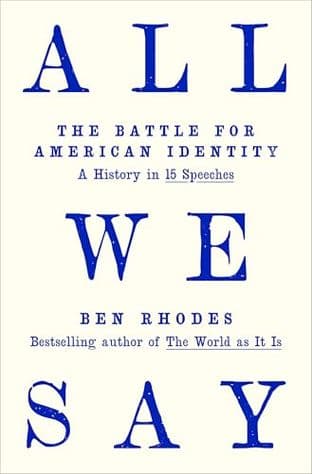
All We Say
Ben Rhodes
Ada’s Score
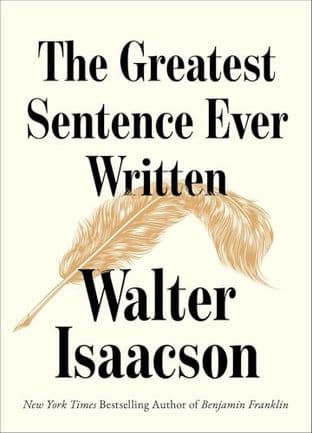
The Greatest Sentence Ever Written
Walter Isaacson
Ada’s Score