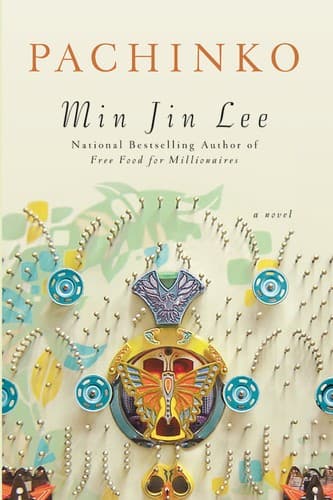
Is Pachinko Worth Reading?
by Min Jin Lee
Ada’s Score
Min Jin Lee's sweeping multigenerational saga follows a Korean family across four generations, beginning with a young woman's forbidden pregnancy in 1910s colonial Korea and tracing her descendants into twentieth-century Japan. The novel is a meditation on identity, sacrifice, and survival — on what it means to belong nowhere and to love fiercely anyway. Lee's prose is measured and devastating, accumulating quiet power across hundreds of pages. Pachinko is the rare epic that feels both monumental and intimately personal.
Episode 1“One of those books that reframes how you see history — personal, devastating, and impossible to put down. An absolute must.”
History as Heartbreak: The Multigenerational Power of Pachinko
Pachinko opens with a declaration — 'History has failed us, but no matter' — and Min Jin Lee spends the next 500 pages proving exactly why that sentence is both a wound and a defiance. What makes this novel so remarkable is that it transforms the sweeping forces of colonialism, displacement, and identity into something you feel in your chest, through the lives of four generations of one Korean family. We explore today how Lee's architecture of storytelling turns history into something unbearably, beautifully personal.
Ada Brief
AI reading intelligence“One of those books that reframes how you see history — personal, devastating, and impossible to put down. An absolute must.”
History as Heartbreak: The Multigenerational Power of Pachinko
Pachinko opens with a declaration — 'History has failed us, but no matter' — and Min Jin Lee spends the next 500 pages proving exactly why that sentence is both a wound and a defiance. What makes this novel so remarkable is that it transforms the sweeping forces of colonialism, displacement, and identity into something you feel in your chest, through the lives of four generations of one Korean family. We explore today how Lee's architecture of storytelling turns history into something unbearably, beautifully personal.
Pachinko Review
One of those books that reframes how you see history — personal, devastating, and impossible to put down. An absolute must.
Rating: 4.7 / 5
Book Details
- Publisher
- Head of Zeus
- Published
- January 1, 2017
- Pages
- 512
- Language
- English
- ISBN-13
- 9781455563920
Get This Book
Affiliate linksISBN: 9781455563920
Disclosure: ReadAda earns a commission on purchases made through these links, at no extra cost to you.
Ada’s Score
4.7
Ada’s editorial score — not an aggregate of reader reviews.
Common Questions About Pachinko
- Is Pachinko worth reading?
- One of those books that reframes how you see history — personal, devastating, and impossible to put down. An absolute must. Ada rates it 4.7 out of 5.
- How many pages is Pachinko?
- Pachinko is 512 pages long — around 9–10 hours at an average reading pace.
Ada also recommends
More from Literary Fiction
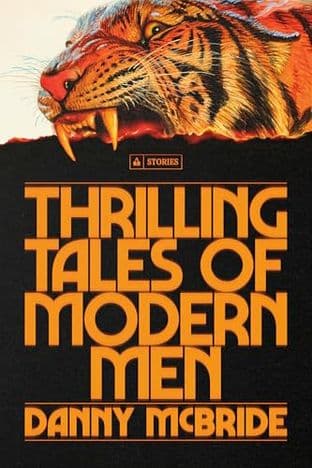
Thrilling Tales of Modern Men
Danny McBride
Ada’s Score
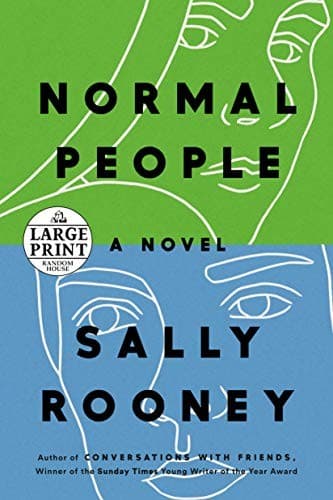
Normal People
Sally Rooney
Ada’s Score

A Little Life
Hanya Yanagihara
Ada’s Score
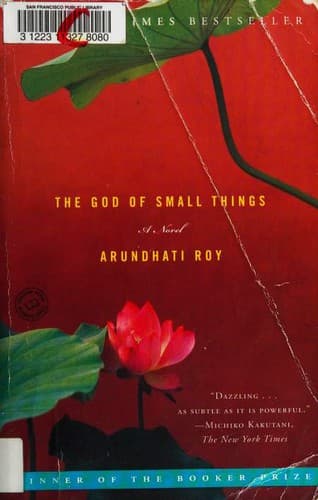
The God of Small Things
Arundhati Roy
Ada’s Score
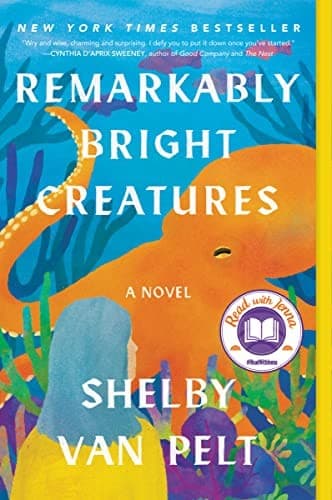
Remarkably Bright Creatures
Shelby Van Pelt
Ada’s Score