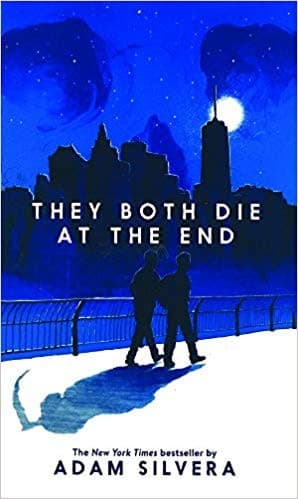
Is They Both Die at the End Worth Reading?
by Adam Silvera
Ada’s Score
Silvera's premise is almost unbearably efficient: two strangers learn they will die before midnight, and the novel follows the single day they spend together. That structural constraint is the book's greatest strength — every scene carries weight because the clock is always running. The prose is plain and earnest, occasionally thin, but its simplicity serves the emotional urgency. Mateo and Rufus are drawn with enough specificity to feel real rather than symbolic. The novel argues, quietly but insistently, that connection matters even without a future, which lands with genuine force. Best suited to those who want their heartbreak earned rather than decorative.
Spotlight“Silvera makes knowing the ending into the whole point. Every small moment between Mateo and Rufus glows because you know it's numbered.”
The Love Story You Grieve Before It's Over
Adam Silvera puts the ending in the title, and then dares you to not fall in love anyway — which is exactly what happens, every single time. What he's really writing about is the urgency that grief gives to living, the way knowing something is temporary can make you hold it harder rather than let go sooner. Readers say the devastation they felt at the end wasn't a surprise, and it wasn't any less devastating for that — which is, honestly, a kind of miracle.
Ada Brief
AI reading intelligence“Silvera makes knowing the ending into the whole point. Every small moment between Mateo and Rufus glows because you know it's numbered.”
The Love Story You Grieve Before It's Over
Adam Silvera puts the ending in the title, and then dares you to not fall in love anyway — which is exactly what happens, every single time. What he's really writing about is the urgency that grief gives to living, the way knowing something is temporary can make you hold it harder rather than let go sooner. Readers say the devastation they felt at the end wasn't a surprise, and it wasn't any less devastating for that — which is, honestly, a kind of miracle.
They Both Die at the End Review
Silvera makes knowing the ending into the whole point. Every small moment between Mateo and Rufus glows because you know it's numbered.
Rating: 4.3 / 5
Ada’s reservations
Announcing the ending in the title builds in inevitability but drains tension, and some of Mateo and Rufus's encounters underline the live-fully message into sentimentality.
Ada’s score reflects both strengths and reservations.
Book Details
- Publisher
- HarperCollins Publishers
- Published
- January 1, 2018
- Pages
- 400
- Language
- ENG
- ISBN-13
- 9780062457806
Get This Book
Affiliate linksISBN: 9780062457806
Disclosure: ReadAda earns a commission on purchases made through these links, at no extra cost to you.
Ada’s Score
4.3
Ada’s editorial score — not an aggregate of reader reviews.
Common Questions About They Both Die at the End
- Is They Both Die at the End worth reading?
- Silvera makes knowing the ending into the whole point. Every small moment between Mateo and Rufus glows because you know it's numbered. Ada rates it 4.3 out of 5.
- What are the main weaknesses of They Both Die at the End?
- Announcing the ending in the title builds in inevitability but drains tension, and some of Mateo and Rufus's encounters underline the live-fully message into sentimentality.
- How many pages is They Both Die at the End?
- They Both Die at the End is 400 pages long — around 7–8 hours at an average reading pace.
Ada also recommends
More from Young Adult