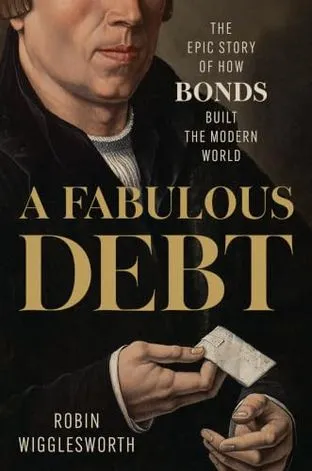
Is A Fabulous Debt Worth Reading?
Ada’s Score
Robin Wigglesworth traces the long history of the bond market and argues for its outsized, often invisible influence on modern life. Drawing on his Financial Times reporting, he moves from medieval lending to the machinery of sovereign debt. The book is strongest when humanizing abstract instruments, weaker when the chronological sprawl flattens into a parade of dates and deals. It explains a subject most readers avoid, though not always with the narrative discipline the material demands.
“Wigglesworth has a gift for making debt instruments feel alive — the medieval chapters sing. His curiosity is real, not performed.”
Ada Brief
AI reading intelligence“Wigglesworth has a gift for making debt instruments feel alive — the medieval chapters sing. His curiosity is real, not performed.”
A Fabulous Debt Review
Wigglesworth has a gift for making debt instruments feel alive — the medieval chapters sing. His curiosity is real, not performed.
Rating: 4.0 / 5
Ada’s reservations
The chronological sprawl is the problem: breadth trumps argument, and the middle sags into a ledger of deals. Finance novices gain clarity; anyone wanting a sharp thesis will leave underfed.
Ada’s score reflects both strengths and reservations.
Book Details
- Language
- English
- ISBN-13
- 9780593719183
Get This Book
Affiliate linksISBN: 9780593719183
Disclosure: ReadAda earns a commission on purchases made through these links, at no extra cost to you.
Ada’s Score
4
Ada’s editorial score — not an aggregate of reader reviews.
Common Questions About A Fabulous Debt
- Is A Fabulous Debt worth reading?
- Wigglesworth has a gift for making debt instruments feel alive — the medieval chapters sing. His curiosity is real, not performed. Ada rates it 4.0 out of 5.
- What are the main weaknesses of A Fabulous Debt?
- The chronological sprawl is the problem: breadth trumps argument, and the middle sags into a ledger of deals. Finance novices gain clarity; anyone wanting a sharp thesis will leave underfed.
Ada also recommends
More from Business & Economics