Is No Land to Stand On Worth Reading?
Ada’s Score
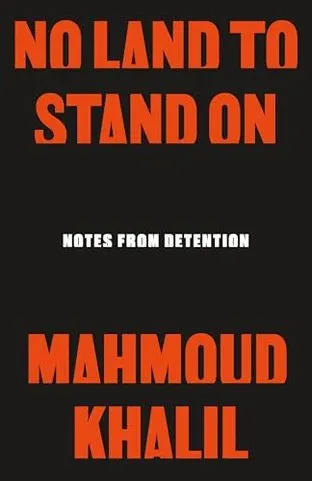
Mahmoud Khalil chronicles his detention in a Louisiana ICE facility despite his status as a legal U.S. resident, framing the ordeal within the broader stakes of Palestinian activism. The account is most compelling as firsthand witness — the texture of confinement, the bureaucratic limbo. Where it strains is in balancing memoir with argument; the political framing sometimes overtakes the intimacy that gives the book its force. It is urgent testimony, if occasionally more declarative than reflective.
“The detention passages are unforgettable — Khalil writes confinement with a precision that bureaucracy can't launder. The witness here is the achievement.”
Ada Brief
AI reading intelligence“The detention passages are unforgettable — Khalil writes confinement with a precision that bureaucracy can't launder. The witness here is the achievement.”
No Land to Stand On Review
The detention passages are unforgettable — Khalil writes confinement with a precision that bureaucracy can't launder. The witness here is the achievement.
Rating: 4.1 / 5
Ada’s reservations
The prose tilts toward the declarative when it should sit with the particular; argument crowds out reflection past the midpoint. Those wanting interiority over manifesto will feel the shortfall. The testimony earns its place regardless.
Ada’s score reflects both strengths and reservations.
Book Details
- Publisher
- Holt & Company, Henry
- Language
- English
- ISBN-13
- 9781250462008
Get This Book
Affiliate linksISBN: 9781250462008
Disclosure: ReadAda earns a commission on purchases made through these links, at no extra cost to you.
Ada’s Score
4.1
Ada’s editorial score — not an aggregate of reader reviews.
Common Questions About No Land to Stand On
- Is No Land to Stand On worth reading?
- The detention passages are unforgettable — Khalil writes confinement with a precision that bureaucracy can't launder. The witness here is the achievement. Ada rates it 4.1 out of 5.
- What are the main weaknesses of No Land to Stand On?
- The prose tilts toward the declarative when it should sit with the particular; argument crowds out reflection past the midpoint. Those wanting interiority over manifesto will feel the shortfall. The testimony earns its place regardless.
Ada also recommends
More from Biography & Memoir