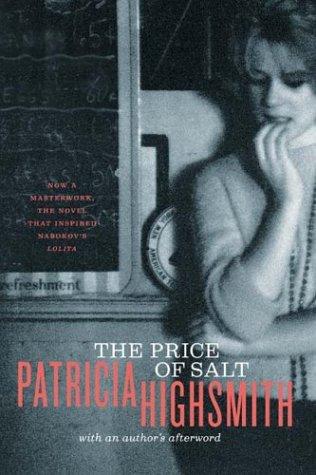
The Price of Salt
or Carol
Ada’s Score
Highsmith builds this novel on quiet devastation — the kind that lives in a glance held a second too long, a hand not quite pulled away. Written in 1952 under a pseudonym, it follows Therese, a young stage designer, into an obsessive, transformative love with Carol, an older woman navigating a brutal divorce. What distinguishes it is Highsmith's refusal of tragedy. The prose is restrained and precise, the emotional weight enormous beneath the surface. This is a love story that insists on surviving — and that insistence still feels radical. Essential for anyone drawn to literary fiction where interiority does all the real work.
Ada Brief
AI reading intelligence"The ending felt like a gift to every reader who'd been told stories like this couldn't end any other way. Still radical."
Video Brief
Coming soon
The Happy Ending That Rewrote the Rules
In 1952, the unspoken contract of queer fiction was simple and cruel: love like this must end in death, madness, or renunciation. Patricia Highsmith looked at that contract, and quietly, methodically tore it up. The Price of Salt gave its women a future — not a triumphant one, not a tidy one, but a real and open one — and readers wept with relief at something they hadn't even known they were allowed to want. Today we're sitting with the revolutionary weight of that ending and asking what it meant then, and what it still means now.
Book Details
- Publisher
- PENGUIN BOOKS LTD
- Published
- January 1, 1952
- Pages
- 276
- Language
- English
Get This Book
Affiliate linksISBN: 9781520632964
Disclosure: ReadAda earns a commission on purchases made through these links, at no extra cost to you.